Tuesday, March 17, 2026

Final reflection.

We. Are. Done. Finally

Those are honestly the top main words that come to mind when I think of a Final reflection for this project. Hard work is Hard but it is also very rewarding. I'm extremely proud of myself in all of the sacrifices, all that i've hurdled, and all I've been through to get to this point. I'd like to thank my mom, my dad, and my pet fish for getting me here, it's been an honor.

I think the main takeaway from this assignment was

TIME MANAGEMENT.

I'm a really big procrasinator. Always have been and always will be, because I always feel like im able to focus better under pressure. And what's better pressure than a big deadline coming up and its... TOMORROW? But no, I wouldn't have been able to get all of this done in one night. And with all the time I was given, without being made to do a Schedule and have specific things done by each week, this project would've been BOOTY! So I thank my instructor for keeping me in check (And also checking up on me whenever I wouldn't do my blogs... I was sick I promise.)

I also saw this project as a great way to be fully creative which is not something I really get the chance to do in my other classes. I think I was most challenged yet most enthralled when doing audio. Picking the right audio, having the correct placement, and even changing the volume based on location, I was fascinated how little things like that made such an impact on the quality of our film, so that's something im greatful to take away from the experience.

Overall, it was a great project and I'm proud of the work both me and my amazing partner Trisha Burr did.  I think if I were to do it again, i'd be a little more intro of it with scheduling and time management and getting things done because my procrastinator brain still stuck through sometimes in some weeks and it was hard trying to catch up on everything before the end of the week. But still, this was a huge step in the right direction and I will be making a schedule and managing my time better on future projects.

Anyways, it's been real. But it's time... smell ya later!

(insert a jake gyllenhaal leaving gif here)

Blood Sweat and Tears

 I've finally Finished, I give myself a pat on the back for completing such a MONSTER of a project. Although so large, it was very fun to create and I hope you have as much fun viewing it (alongside their respective CCR's) as I had making it!!

Film opening Link:

https://drive.google.com/file/d/12ToxbnqeyeDtS7cH6E_TArFjLZf5teU-/view?usp=drivesdk

CCR Questions 1 & 2:

https://drive.google.com/file/d/1W9bc4_QavpEG6EJ4MbXnV0AEmpUgJPn-/view?usp=drivesdk

CCR Questions 3 & 4:

https://drive.google.com/file/d/1tAqDAPcub4XFkpTKv-0sfhgUuNPDBJP5/view?usp=drivesdk


CCR you editing? (Ok jokes over.)

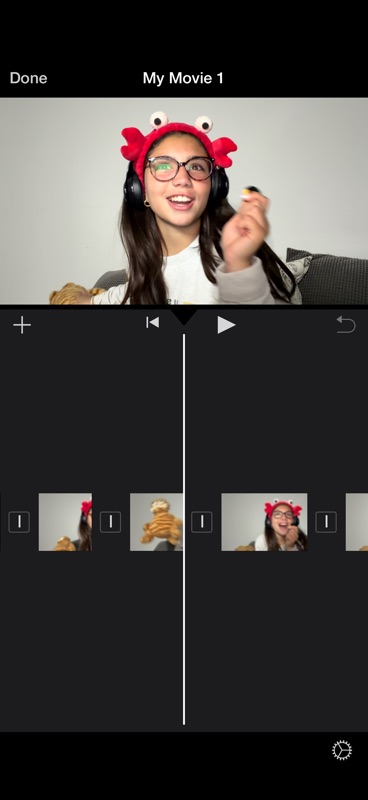
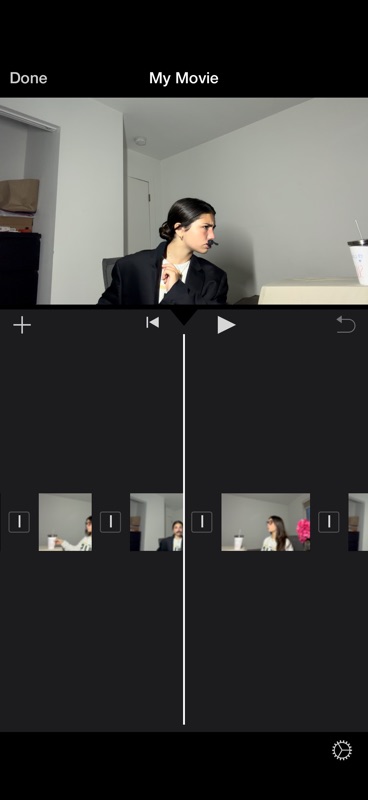
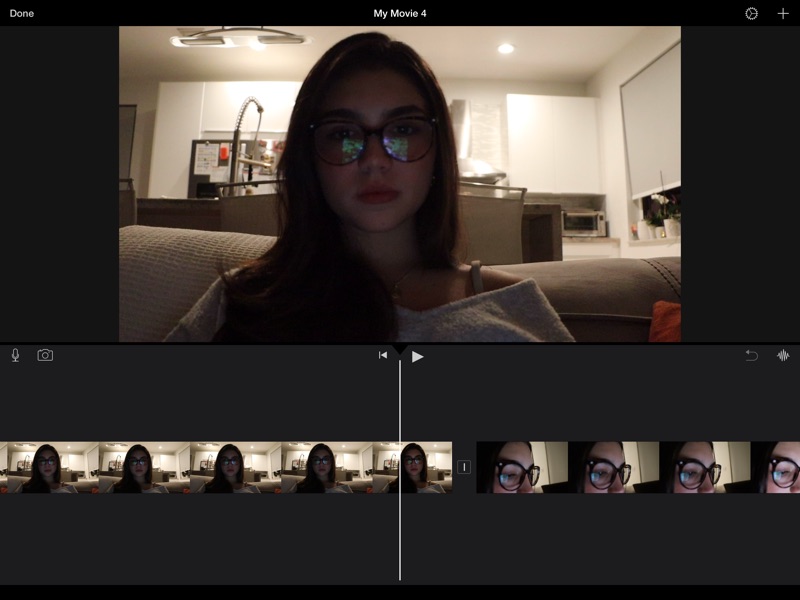
 Let's talk editing! I edited the h-FARTS out of that CCR! I used iMovie to put all my clips together (which was relatively easy) and also added some background music on it but I used Canva to add text and some of the overlays on the clips. 

I also used a lot of iStock footage... I really hope they don't take points off over the very obvious iStock watermark on all of my videos but OH WELL! What can you do, I'm not screen recording all those videos I wanna download them sooooo thats the outcome.

Also for my links I WANTED to put them at the bottom of the page but they were SOOO LONG it looked so bad. I refused so I APA style formatted all the links and made a scrolling end credits scene for my CCR #1. I relived Aice Global there for a minute there though, JEEZ! Anyways, here's some clips of my iMovie. Okay bye

(ALSO YES I EDITED ON MY PHONE SUE ME! I filmed on my phone and I was too lazy to transfer over the videos. I also wanted to edit while laying down since i've been sick for the past two weeks so give me a break will ya!)


Monday, March 16, 2026

CCR you ready?

 I will not lie, Filming my CCR's was an absolute blast. My ideas for my CCRs were spinoff of "Hot Ones" called "Cold Ones" rock was like a talk show host. Then I had a "Nightime Podcast" where I answered "Viewers Questions" with pillows ands stuffed animals.

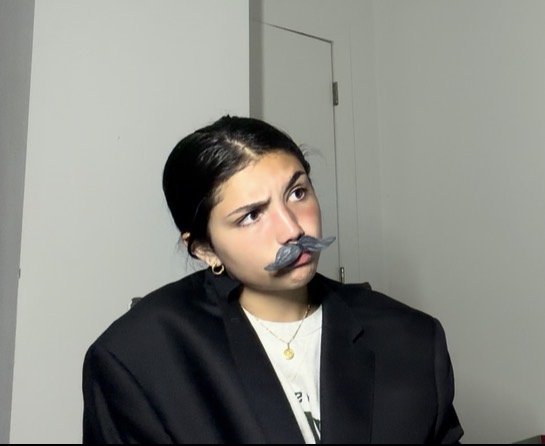
For the First CCR I think the hardest part was getting the setup right. I mean, the set for regular Hot Ones is pretty basic itself but also, I really didn't have much to decorate with. Like I had candle but what sort of talk show host has candles? No, I went plane have baby and decided I would Woo over audiences with my bright personality as the talk show host. It was awesome, if I was a man with a mustache, I would be funkily stealing all the ladies ever in the world.

 Funkiest guy to ever exist is surprisingly not a guy, and he is ME!

For my Second CCR I genuinely felt like an influencer freaking youtuber. I talked to a lot of my friends while they were doing their CCR and they also went heavy on the whole influencer youtube intro and outro style. Honestly, I'd love to be an influencer so this felt like a dip in the pool of film editing if I ever wanted to test my Luck on Youtube and have an unsteady career where my life is subject at the hands of thousands of teenage girls. Yeeaaaah maybe I don't want to be an influencer, but editing the project was so fun! And the whole nigh time thing honestly gave me an excuse to be all comfy, wear my crab headband and use my stuffed animals for a project. Wow, my dream project right there.

I also didn't have like a podcast set up. I don't have a mic, I did use my headphones but I felt like if I had headphones on i'd need a mic. So what did I do? What anyone else would do in this situation which is use a random lock my dad had in his office. Did it give Mic? Maybe not, but I still felt so influencer!

All and all, I had such a great time filming, post on editing will be done soon!


CCR question 3 & 4 script

Intro:

Host: Hey everyone! Welcome back to the CCR Fan Q&A Podcast. Today, I’m answering your questions about our film opening, User Error. I’ll share how I developed my production skills during this project and how we used different technologies to bring the story to life. Let’s dive!

Q1: How did you start the project?

Answer: Great question! At the start, research and planning were huge for us. Over about eight weeks, we studied thriller and horror conventions, social issues around technology, and how openings build suspense. We also made a production schedule. It was basically a roadmap for research, filming, and editing which kept us on track. For example, we planned moments that would gradually raise tension, like the blender turning on by itself or the door lock malfunctioning.

Q2: Did you have to change your original ideas?

Answer: Yeah! Some ideas had to be simplified because of time limits. Our initial plan had extra scenes, but we focused on the ones that built the most tension. Luckily, we kept the project manageable from the start: just one filming location, a house, and a small cast. This really helped avoid scheduling headaches and let filming go smoothly.

Q3: What skills did you develop?

Answer: Editing and storytelling were huge for me. Adjusting lighting in darker scenes, experimenting with flickering lights, and fine-tuning sound design like glitches, notifications, and strategic silences made the tech feel creepy and suspenseful. Past projects really helped too. Working on mise-en-scène taught me how props and setting tell a story, and brand development projects helped with collaboration. By the end, I felt way more confident with editing and using film techniques to convey bigger social ideas.

Q4: What tech did you use?

Answer: Almost everything! We shot cinematic shots on a Canon 90D and FaceTime scenes on an iPad to keep them authentic. Lighting was mostly natural, which gave a moody vibe. Audio for video calls? Phone mics again, it added realism. No tripods or dollies, but the handheld feel actually made things more tense. For editing, we used iMovie and Adobe, and Canva helped with the title screen, credits, and animated logo. Oh, and we drew the logo in Procreate before animating it. Plus, we documented everything on Blogger, from research to editing.

Outro:

Host: That’s a wrap! Thanks for all your questions. Working on User Error was a crazy learning experience. I got to explore creative ideas, improve technical skills, and see how technology and storytelling come together to make suspense. Keep sending your questions, and I’ll see you next time on the CCR Fan Q&A Podcast!


CCR questions 1 & 2 script

INTRO


HOST:

Hello everyone and welcome to Cold Ones, the show where we ask hot media studies questions while our guest slowly freezes their brain with increasingly cold drinks.With each round the drink gets colder and your brain gets more frozen. If you stop answering questions… we assume the brain freeze won.

Today we’re joined by the brilliant mind behind the thriller horror film opening User Error.

GUEST (waves)

HOST:

Alright, let’s start easy. Take a first small sip.

(Guest sips slurpee)

ROUND 1 

HOST:

First question What genre is your film and why did you choose it?

GUEST:

Our film User Error fits into the thriller horror genre, which combines suspense and fear to create tension for the audience. Thriller horror movies often make audiences feel nervous about what might happen next because there is usually some kind of mysterious danger around the main character.

But instead of using monsters or ghosts like a lot of horror films do, our film uses something much more realistic: technology.

ROUND 2 

HOST:

Alright things are getting colder. Take another sip.

(Guest drinks again)

How does your product use or challenge genre conventions?

GUEST:

In thriller horror films, audiences expect certain conventions. These usually include tension, suspense, unpredictable events, and isolation of the main character.

Our film uses these conventions in several ways.

For example, the main character Stacy is home alone at night, which creates isolation and vulnerability. The tension also increases because technology in the house begins malfunctioning unpredictably.

For instance, the blender turns on by itself and the electric door lock stops working, which creates suspense because Stacy slowly realizes she has lost control of the technology around her.

However, we also challenged some typical horror conventions.

We intentionally avoided gore or supernatural monsters because we wanted the fear to come from something realistic.

Instead of a haunted forest or abandoned building, the film takes place in a normal suburban home, which makes the situation feel more believable.

The idea is that this could realistically happen in someone’s everyday life.

ROUND 3

HOST:

Alright next round. Bigger sip.

(Guest drinks a lot)

How does your film represent social views or issues?

GUEST:

One of the biggest social issues shown in User Error is the influence of technology on teenage life.

At the beginning of the film, Stacy spends most of her time scrolling, checking notifications, and taking video calls. This reflects how many teens today rely on technology for communication and social validation.

The film also explores how much personal information people share online.

Research from the Pew Research Center found that a majority of teens post personal information such as photos, status updates, and location check-ins on social media, often without adjusting their privacy settings.

This means a lot of their personal life becomes accessible to strangers or large tech companies without them fully realizing it.

Our film plays on that idea. the technology that Stacy trusted slowly begins to use that information against her.

ROUND 4 

HOST:

Alright next round. Take an Even. Bigger. Sip. 

(Guest sips)

Does your film reflect any social pressures teens experience today?

GUEST:

Yes. Our film also reflects issues related to teen self-image and emotional wellbeing online.

At the beginning of the film, Stacy constantly checks messages and notifications because her social life exists through technology.

Research shows this pressure is very real.

One study found that constantly comparing yourself to others on social media can increase anxiety and lower self-esteem, especially when people compare their real lives to the “highlight reels” that others post 

This shows how digital platforms can create pressure to appear perfect or popular online.

By showing Stacy constantly connected to her devices, our film represents how technology can shape how teens view themselves and their social status.

(Guest breathes through brain freeze)

ROUND 5 

HOST:

Lets do another question ONE MORE SIP!!

(Guest drinks slowly)

How did you determine your target audience?

GUEST:

We researched who typically watches horror and thriller films.

According to Statista, young adults aged 18–29 are the most likely group to watch horror films regularly.

Because of this, we decided our target audience should be teenagers and young adults, roughly between 15 and 21 years old.

These viewers are also highly connected to technology, which makes the themes of the film more relatable.

HOST:

And how does your film actually engage that audience?

GUEST:

We designed our production choices to reflect things teens experience every day.

For example, the film includes FaceTime calls, notifications, and online communication, which are common parts of teenage life.

Research also shows teens spend a lot of time using digital devices. According to Common Sense Media, teens spend over seven hours a day using screens for entertainment.

Because of this, seeing technology play a major role in the story makes the film feel relatable to our audience.

ROUND 7 

HOST:

Final question. Final Sip.

How would your film be distributed as a real media product?

GUEST:

As amateur filmmakers, the most realistic distribution platform is YouTube.

YouTube allows independent creators to upload videos for free and share them with a global audience.

Research shows that over 2 billion logged-in users visit YouTube every month, which makes it one of the most widely used video platforms in the world.

Since our target audience already spends a lot of time online watching content, distributing User Error on YouTube would allow the film to reach viewers who are most likely to connect with its themes.

OUTRO

HOST:

And that concludes today’s episode of Cold Ones. Surprisingly, our guest survived a devastating brain freeze, maybe It was by answering all those Buuurning Questions!

GUEST:

Please stop

HOST:

Thank you for watching, See you next time!


Sunday, March 1, 2026

Ready... set.. EDIT!

SO since we've oficially finished filming, we're now moving onto the EDITING STAGE!


So far, we’ve edited all of our clips together and finalized the structure of the film. We also worked on lighting adjustments in post-production. Some scenes were filmed intentionally dark to fit the thriller horror vibe, but we had to brighten certain parts slightly so you can still clearly see Stacy’s expressions. Like we wanted it to keep the moody vibe but also not be impossible to watch

Also, for the main major chaos scene, we added a flickering light effect by playing with the brightness of the video to make everything feel more unstable and intense. We lowkey forgot to flicker the lights so, this is the most intense editing we're gonna get! Right now, the biggest thing left is audio and the text for the credits scene. We still need to fully layer in the glitching sounds on the phone, the overlapping appliance sounds, THE TV!!! and like different call sounds. Since our film relies heavily on sound to build tension, the audio design is going to be one of the most important final steps.

WE'RE ALMOST THERE!!

also yes we're using iMovie to edit, we only have to edit clips together so we chose something simple that wont blow up our laptops when running it (Cough Cough Clipchamp... Adobe...)


Confetti png

We're done and lowkey this is kinda crazy yo. Like everything's coming together all we need is to edit and like boom, 8 weeks of work DUHDUHDONE. But let me be profesh for a sec.

We chose to use a high quality Canon camera for most of the film (was it 4k?? I think it was 3k... I don't know I don't camera), especially the main narrative scenes. We did this on purpose because we wanted the cinematography to feel clean with the high resolution making everything more intense. But we also did it because we didn't want the camera quality to be the same the whole time. For the FaceTime scenes, we intentionally used a computer to create that slightly lower-quality, front-camera feel which would contrast the high-quality camera used in other scenes. We didn’t want it to look staged or overly polished. Real FaceTime calls aren’t perfectly lit or cinematic like we wanted it to feel real and lowkey a little awkward. That realism makes the party scene feel more believable and helps contrast Stacy’s quiet environment with Allyssa’s chaotic one. We also used footage styled like it was coming from Ring cameras and security systems during certain moments creating strong juxtaposition between the different technologies.

Overall, mixing camera types helped us visually tell the story without needing to explain everything through dialogue. The difference in quality was a deliberate creative decision to show the contrast between  Stacy and her life VS. the technology around her.

BUT YAY!

https://drive.google.com/drive/folders/1YYoBIN0sqegXJXEpCu8DTGgBNt4RhWCf


CCR question 1

Q1: "How does your product use or challenge conventions and how does it represent social views/issues?"

Our film User Error fits into the thriller horror genre, which combines suspense and fear to create tension. Thriller horror movies often make audiences feel nervous and worried about what might happen next, usually because of some mysterious danger lurking around the MC. Instead of using monsters or ghosts (which are typically used in these genres) our film uses a common element ,technology, as the scary.

Genre and Conventions

In a thriller horror, audiences expect things like tension and uneasiness coming from a rising danger/threat which create unpredictable events and usually there's also an isolation of the main character(s) to up the suspense. Our film uses many of these conventions with Stacy being alone in her house at night with just her computer and phone. There are also Unpredictable tech malfunctions such as the blender turning on by itself or the electric door lock not working. But what we don't include/challenge is gore or supernatural elements since the fear comes from something realistic (technology). Our setting is also normal since instead of dark forests or abandoned places, our setting is a normal suburban house. We didn't want it to be your typical horror movie, we wanted it to feel real, as if this could actually happen to you in the real world.

Even though these choices are different from typical horror, they still create fear because they feel real. This works well with the thriller horror genre, which often explores fear tied to psychological or emotional stress.

Representation of Social Views/Issues

User Error represents real social issues that many teens experience today, especially involving technology.

Technology VS. Teen Life

The film shows how much technology influences teen lives. Stacy spends most of the beginning it's the film opening scrolling, checking notifications, and taking video calls. This reflects how teens today often rely on technology for communication and social status. Through the sequence, it shows how much information we give to our computers and the internet, especially as clueless teens. And though the tech in our film starts out helpful, it could also very well become frightening, using all of that information we trusted our technology with against us. Research by the Pew Research Center found that a majority of teens post personal information like photos, status updates, and location check-ins on social media, and many don’t adjust their privacy settings. This means more of their personal life is accessible to strangers or large tech companies than they might expect. (https://pewrsr.ch/4lI0k4x). This tendency to share on social platforms contributes to issues of identity and self-image because teens often present idealized versions of themselves online to gain approval through likes, comments, and followers. Another study indicates that constant sharing and comparing lives on social media can increase feelings of anxiety and lower self-esteem, especially when teens compare themselves to others’ highlight reels rather than real life. (https://pubmed.ncbi.nlm.nih.gov/40520349/)

User Error also represents how technology affects teen self-image and emotional wellbeing. Our film opening shows Stacy constantly connected checking messages, responding to FaceTime calls, and depending on tech to validate her social life. This reflects the social issue that many teens face the which is that the internet can make teens feel like they have to fit in or be seen in a certain way. It can create anxiety, insecurity, and fear of missing out. Research on teens and social media shows this is a real cultural concern. For example, a large study found that many teens say social media makes people feel worse about their own life and can make them feel overwhelmed by drama and pressure to post popular content. This reflects the idea that technology can negatively affect self-esteem and how teens perceive themselves. ( https://pewrsr.ch/4lI0k4x) Another scientific article states that digital platforms introduce risks such as compulsive social media use and unrealistic beauty standards, which are linked to self-esteem challenges and behaviors like body dissatisfaction. This supports the idea that teens can compare themselves to idealized online images, contributing to insecurity. (https://pubmed.ncbi.nlm.nih.gov/40520349/)


Final reflection.

We. Are. Done. Finally Those are honestly the top main words that come to mind when I think of a Final reflection for this project. Hard wor...